
March 2026
This month provided an opportunity to join a small New Scientist tour group on a trip to Chile, which included visits to a major planetarium and cutting-edge observatories, as well as a few nights experiencing wonderful dark skies.
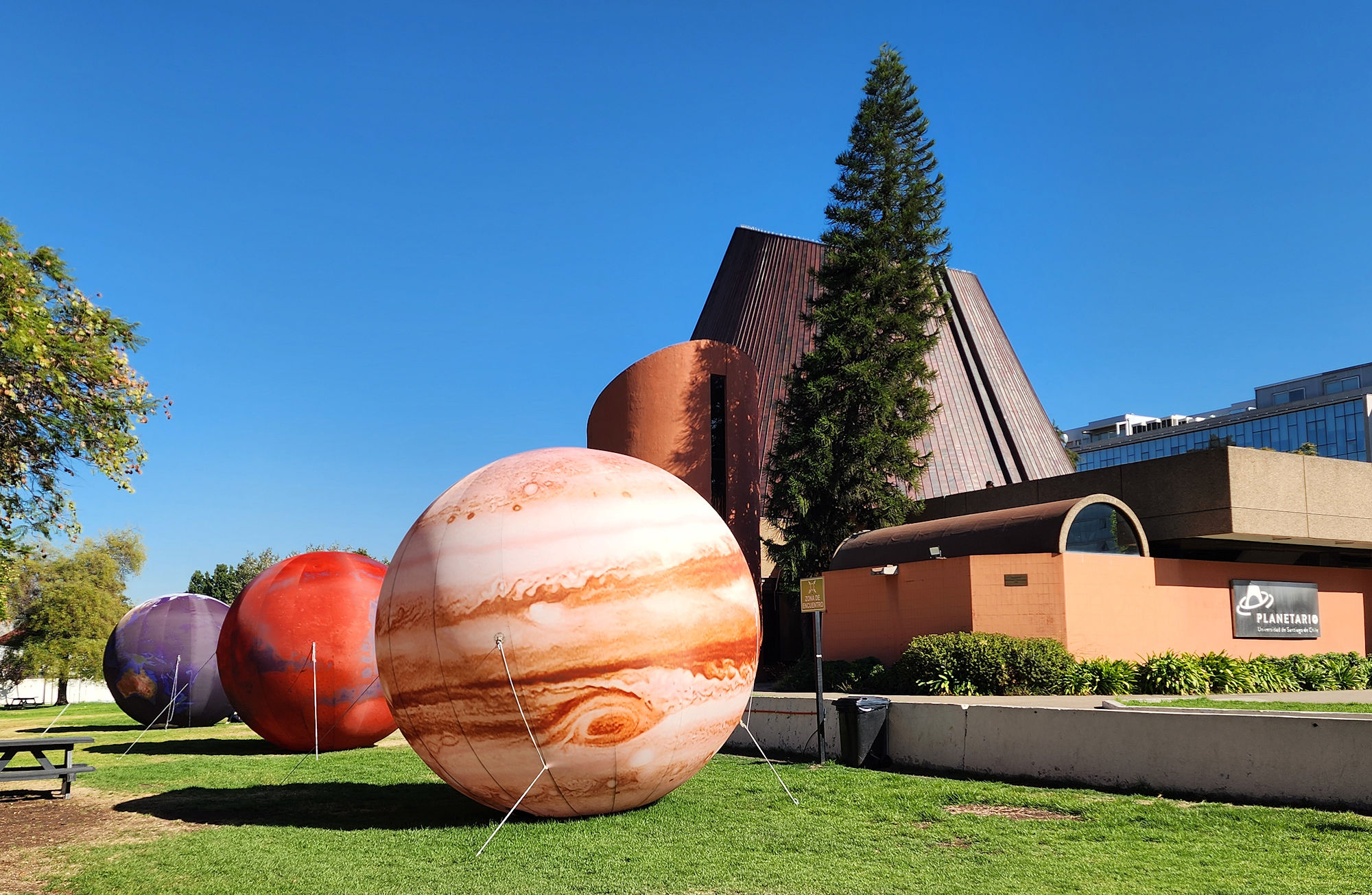
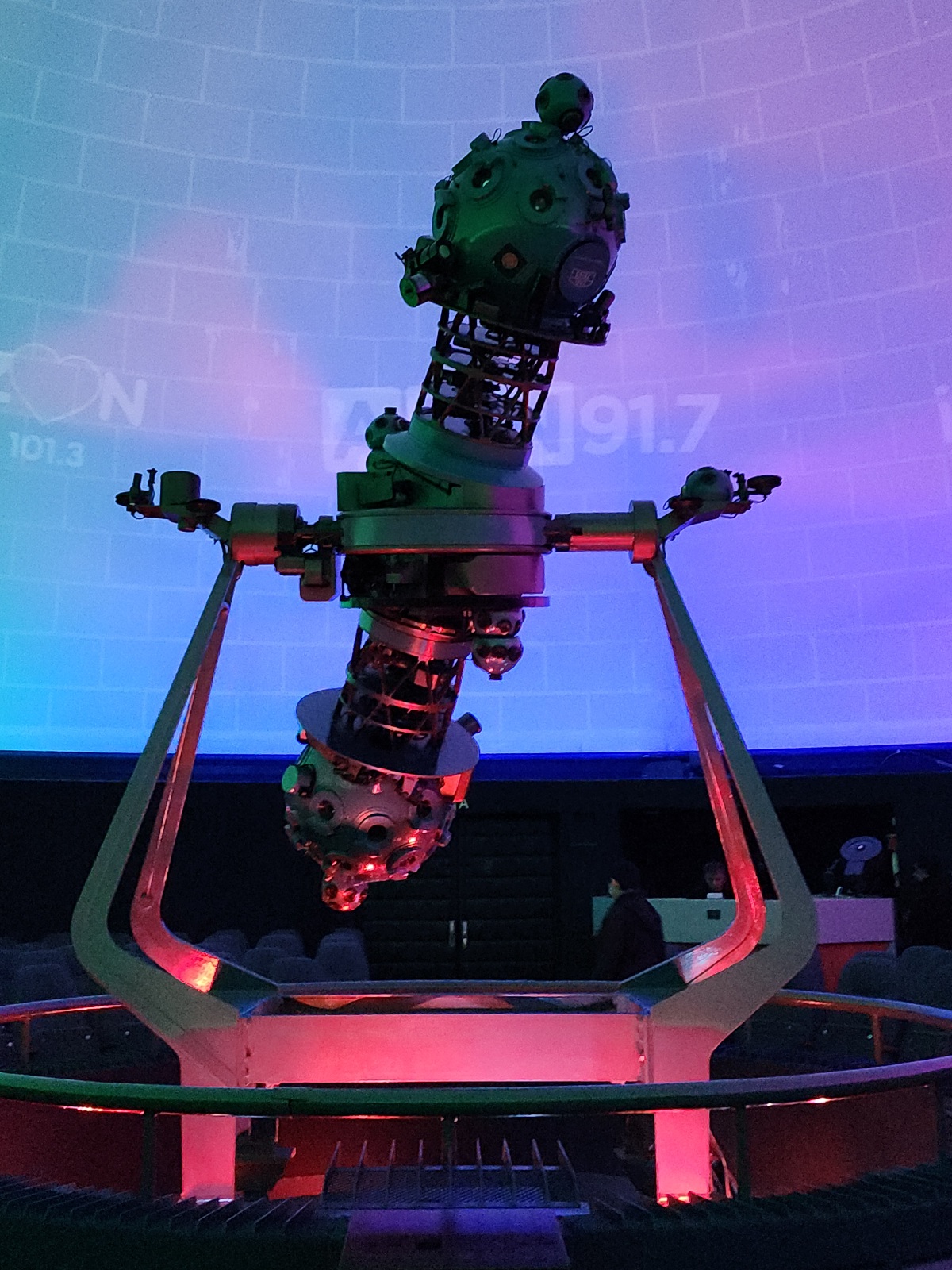
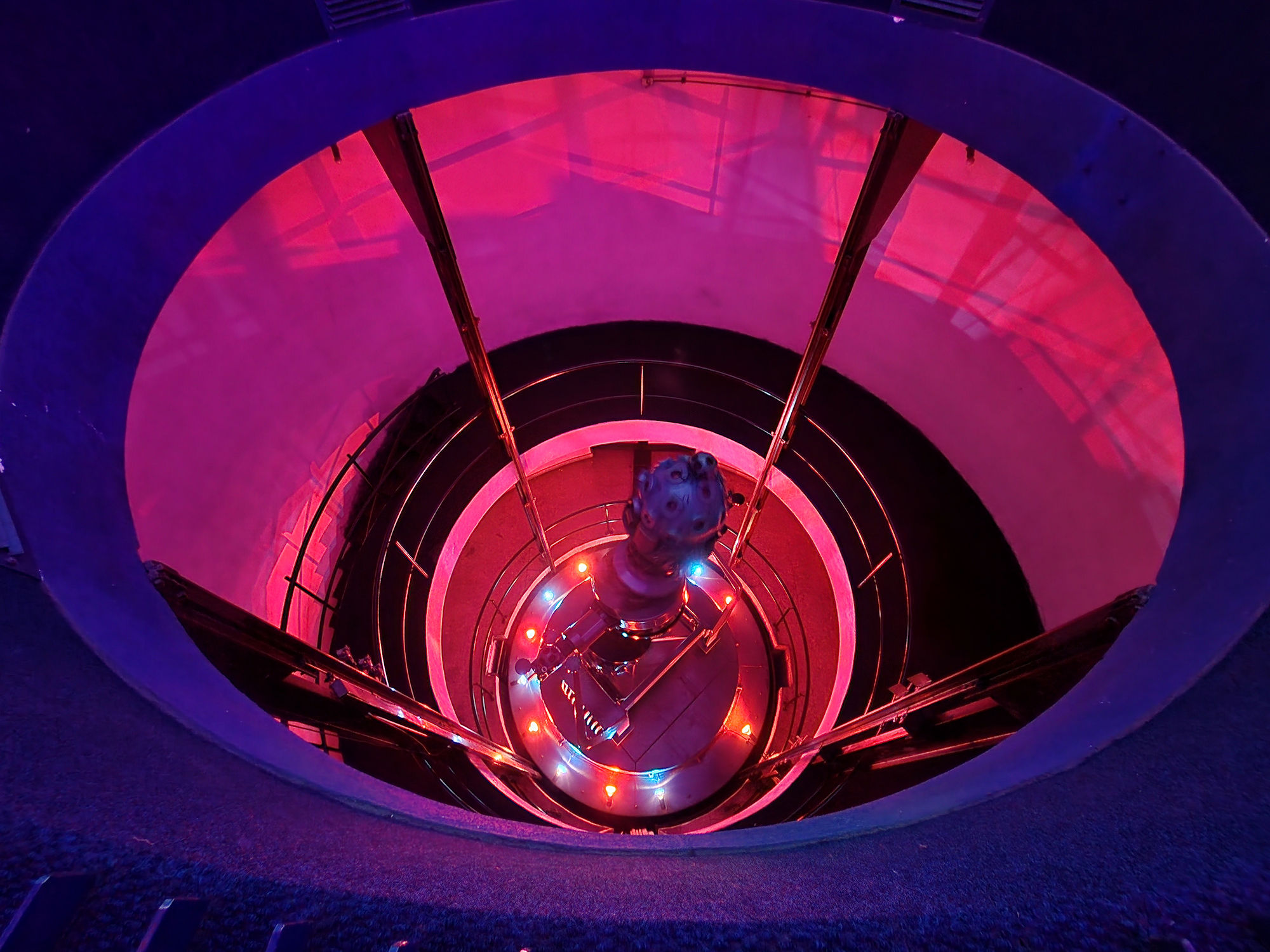
The University of Santiago’s planetarium opened in 1985 with a 20-metre dome and a Zeiss VI projector, which is still in use and was put through its paces, including being raised and lowered from three floors below the theatre. The digital system is a Zeiss Power Dome and there are eight Zeiss VELVET projectors. Seating is provided for 289.
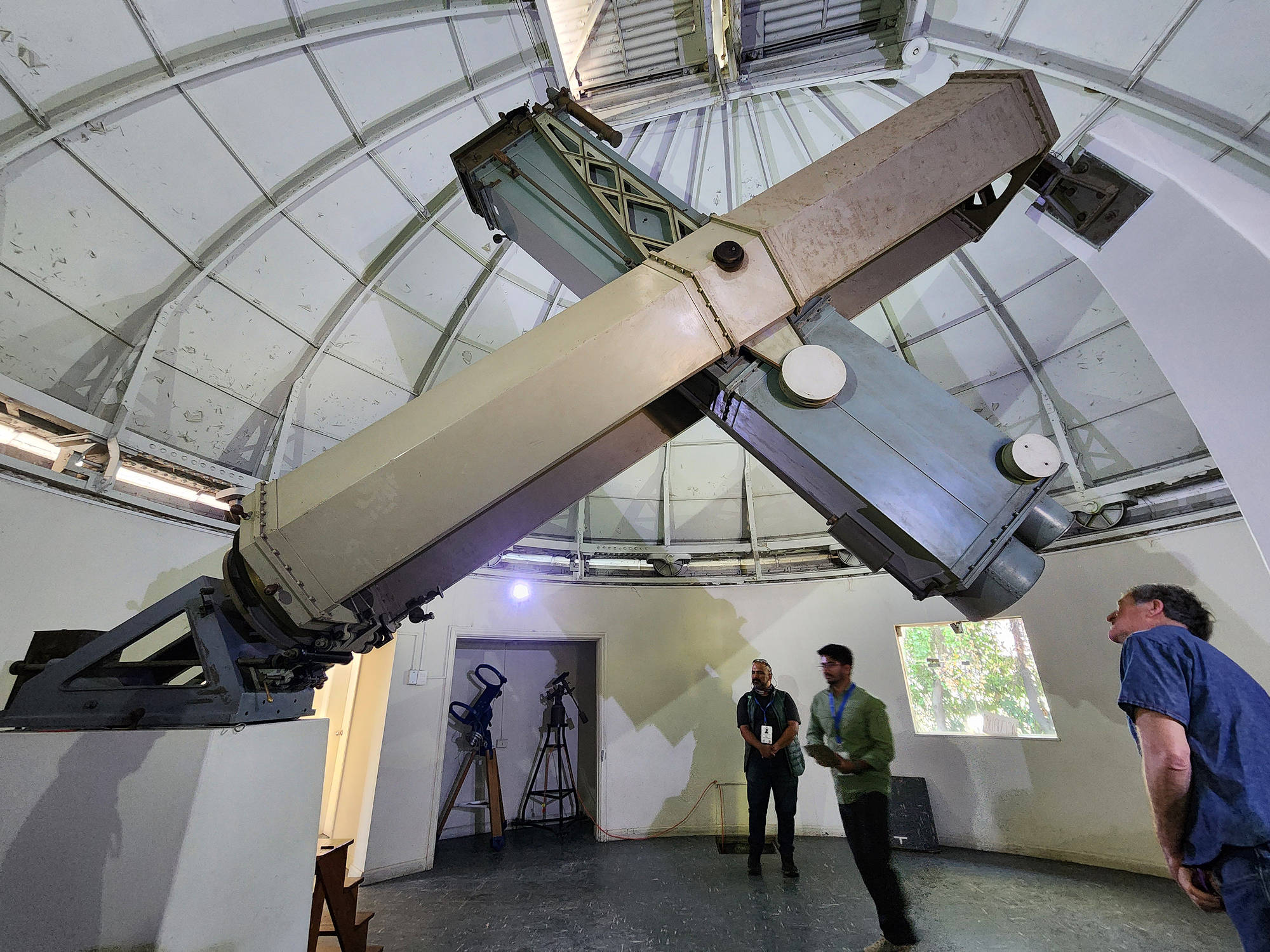
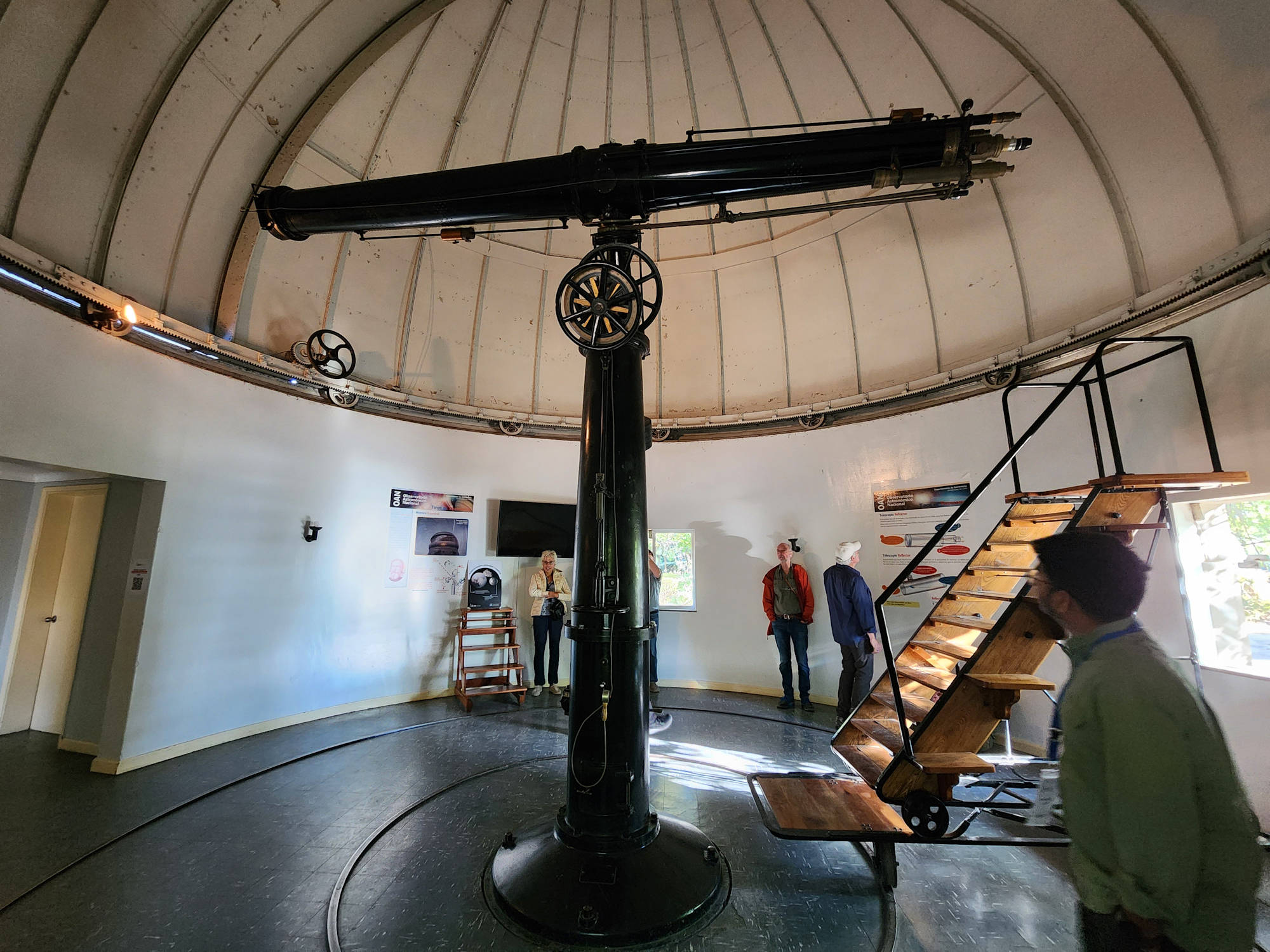
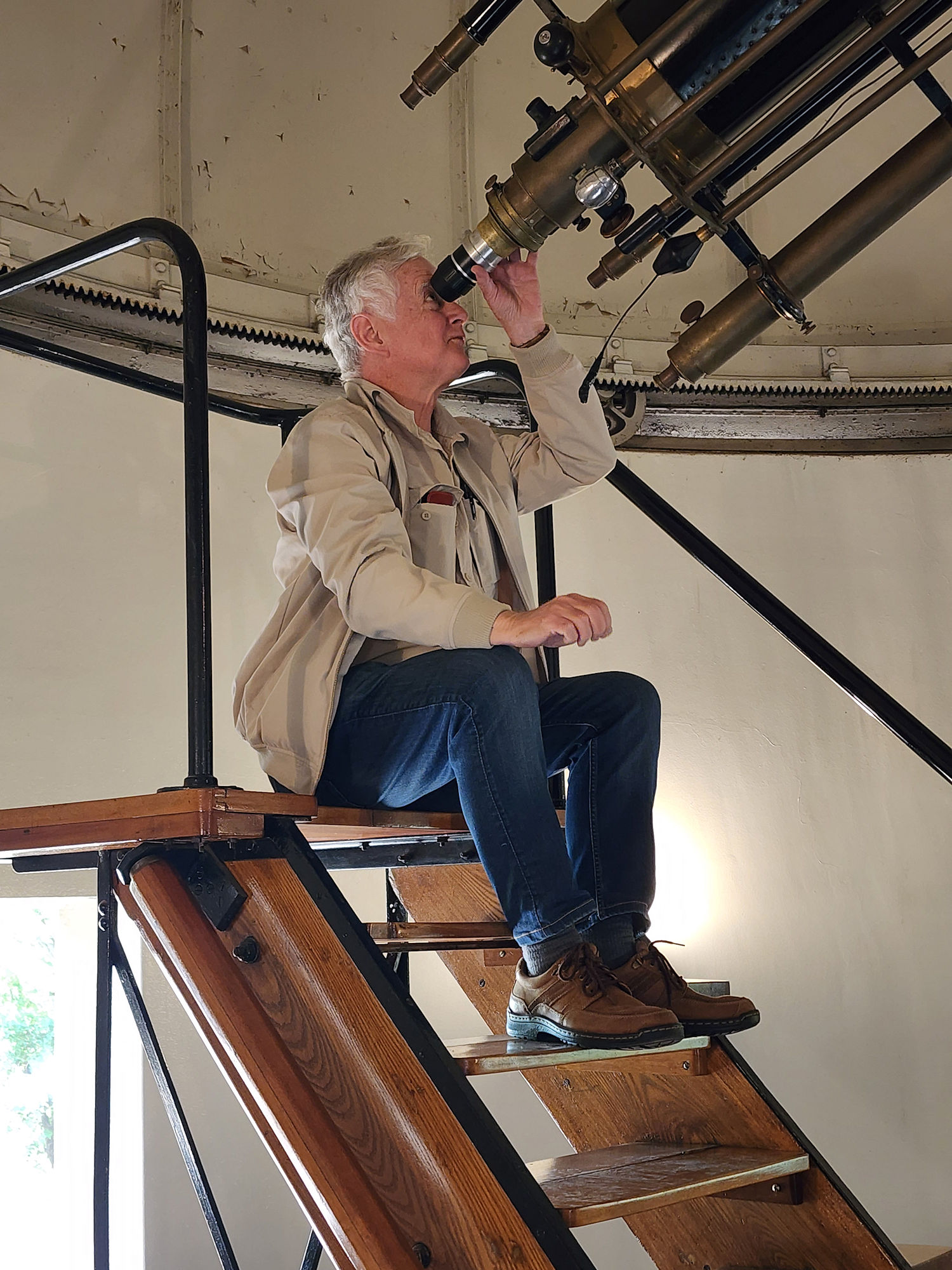
While in Santiago there was time to visit the University of Chile Astronomy Department and the Cerro Calán Observatory with its historic refracting telescopes. The department has a post-graduate course in astrophysics for students from around the world.
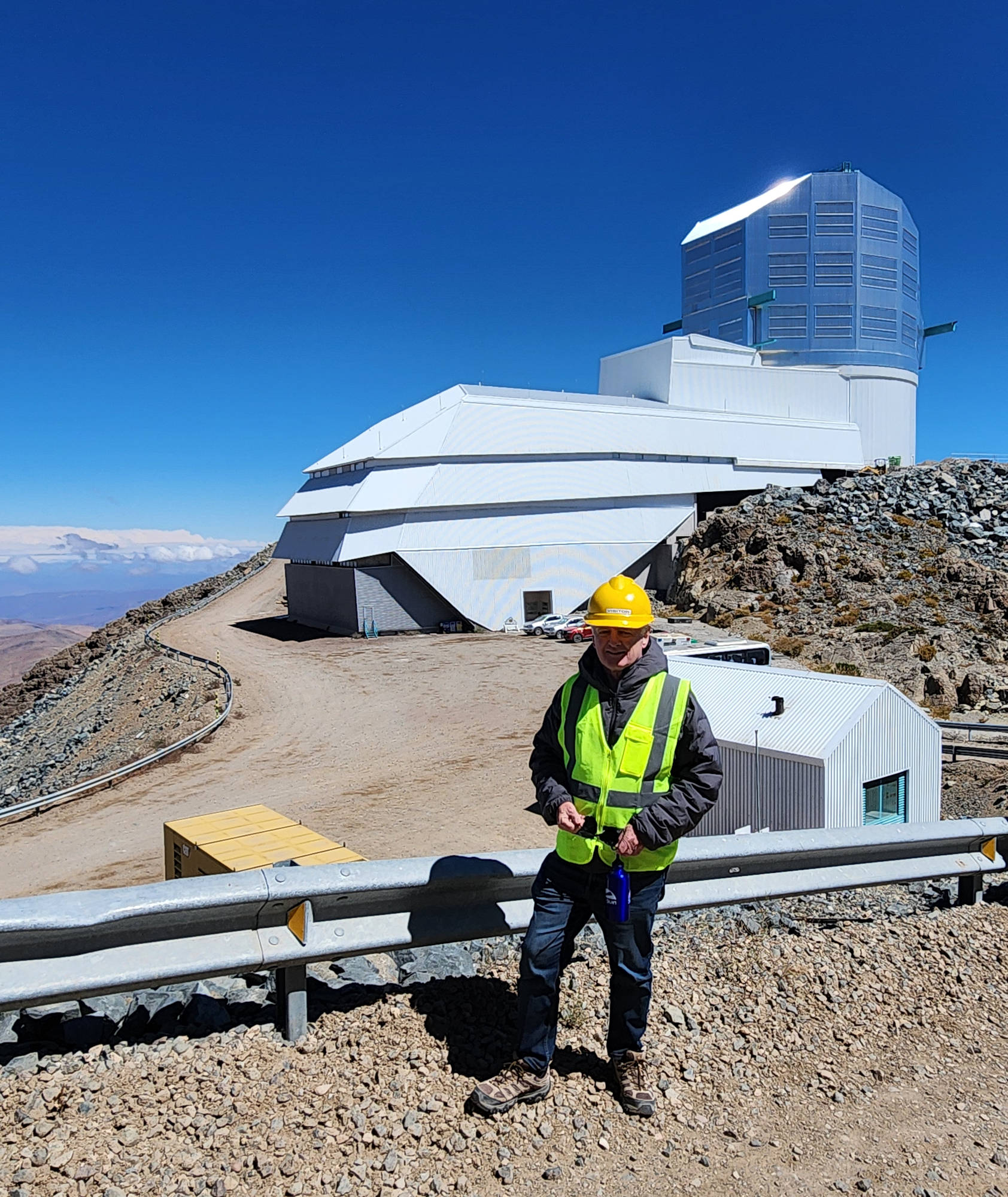
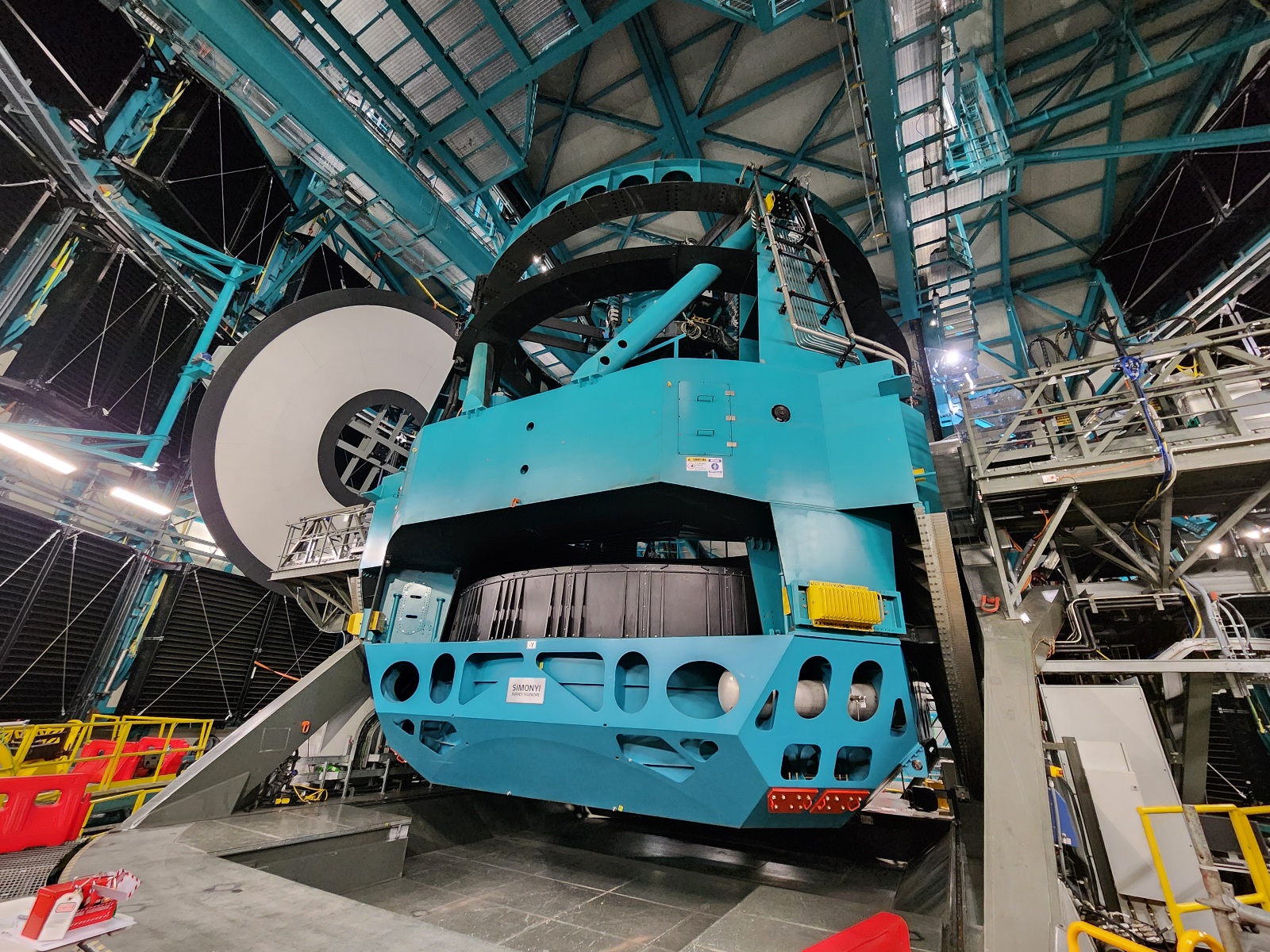
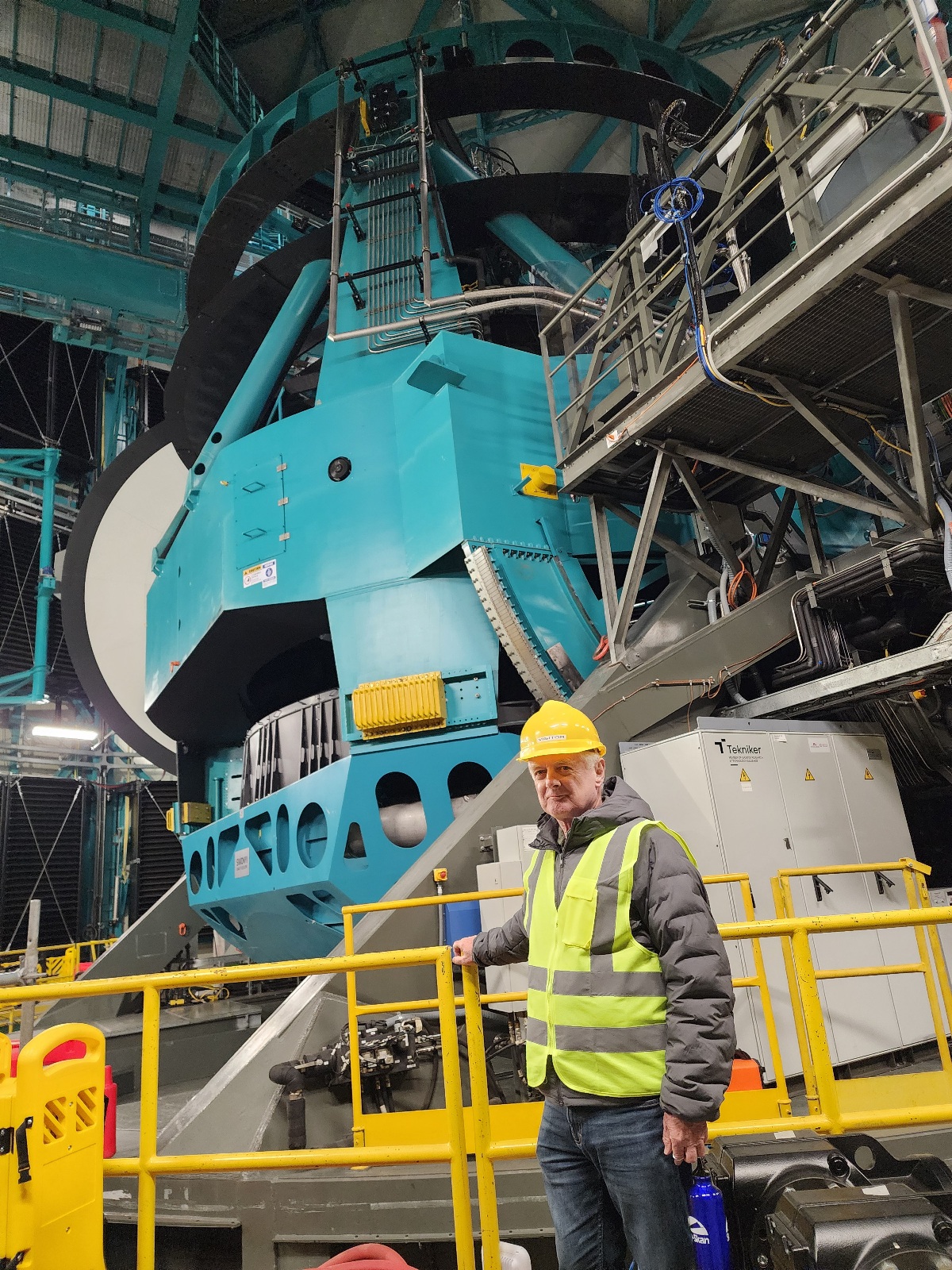
The newest of the observatories in Chile is the Vera C. Rubin Observatory on the Cerro Pachón ridge in the Chilean Andes. The observatory is still a construction site even though the telescope’s 8.4m mirror and 3.2-gigapixel camera are producing remarkable results with great promise for the coming years. The instrument can scan the entire southern sky visible from the site every few nights owing to its field of view being about 40 times the area of the Full Moon. Its primary mission is the 10-year Legacy Survey of Space and Time (LSST). Key objectives are investigating dark matter and dark energy, mapping the Milky Way, cataloguing the Solar System (particularly asteroids and comets), and exploring the transient sky (e.g. supernovae).
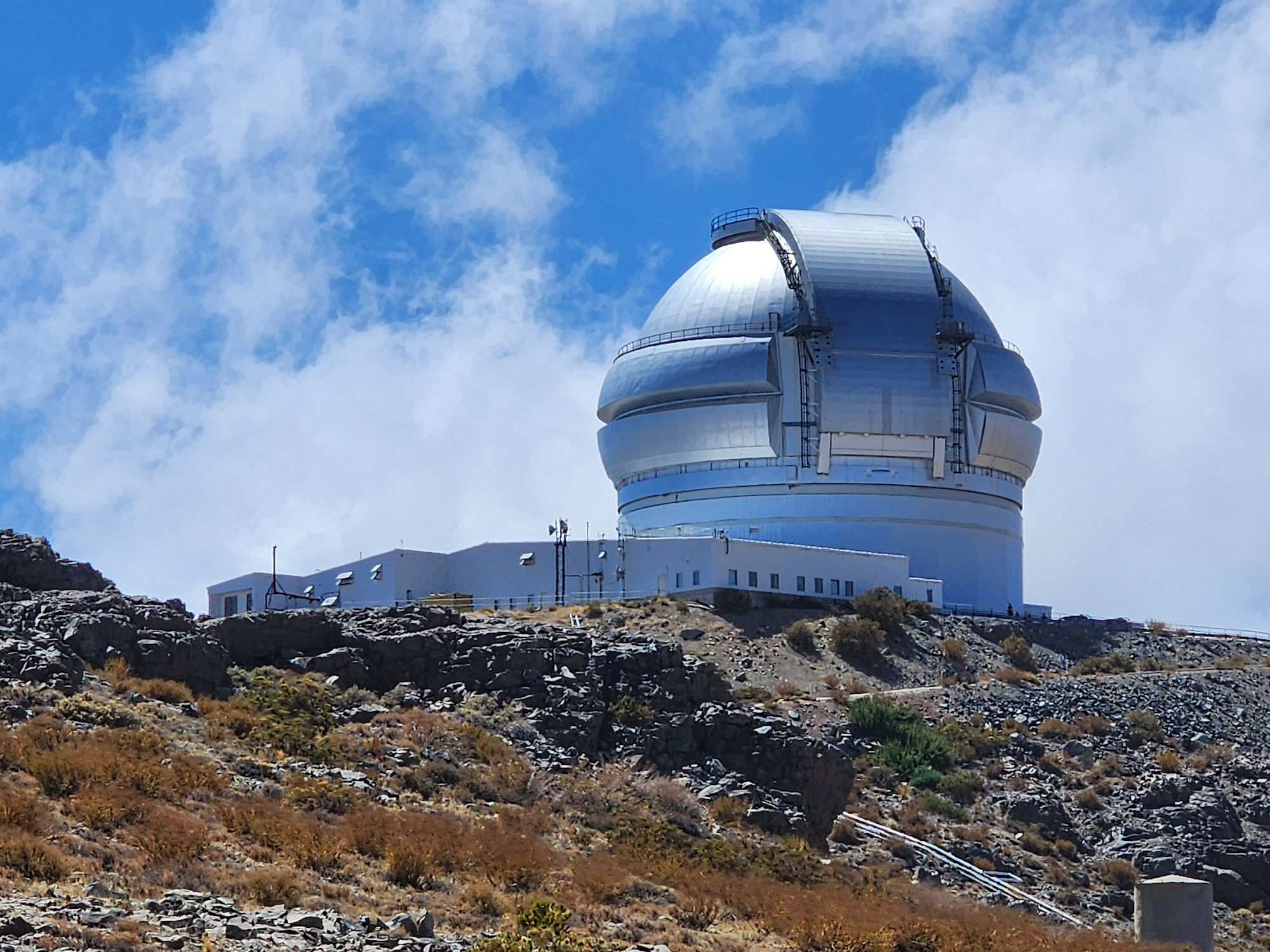
Adjacent to the Vera C. Rubin Observatory is the Gemini South Observatory with its 46m dome at an altitude of 2,737m. The observatory’s telescope has an 8.1m primary mirror used in the optical/infrared wavelengths. It is operated by the US National Science Foundation NOIRLab in partnership with Canada, Chile, Brazil, Argentina, and the Republic of Korea. Its twin, Gemini North, is in Hawaii.
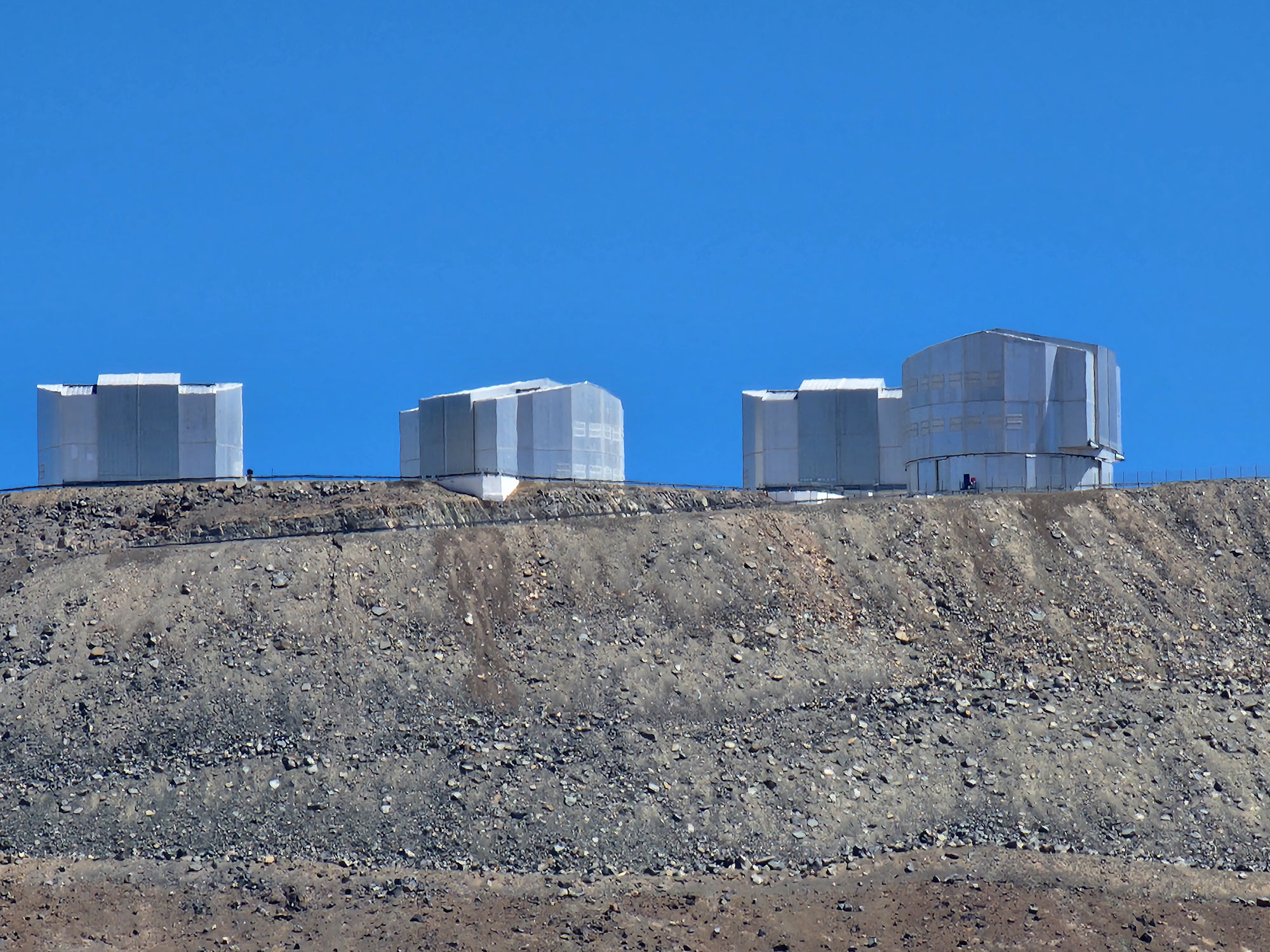
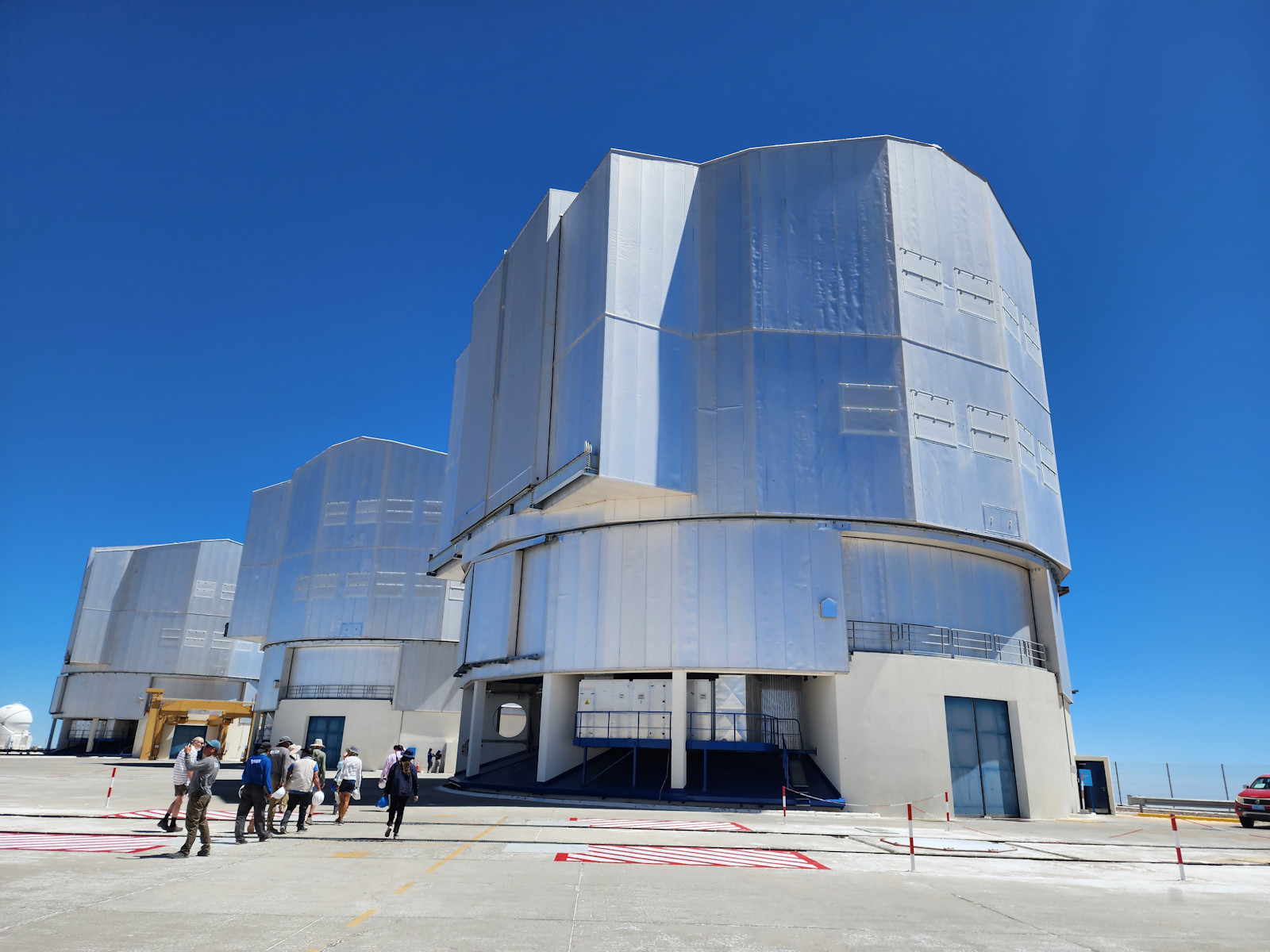
Further north in Chile’s Atacama Desert and at an altitude of 2,635m is Paranal Observatory, which is one of the best observing sites in the world. Various facilities are operated by the European Southern Observatory, including the Very Large Telescope (VLT) with its four main independent Unit Telescopes and adjacent smaller ones. Below the VLT are support facilities and also the La Residencia for visiting astronomers and staff.
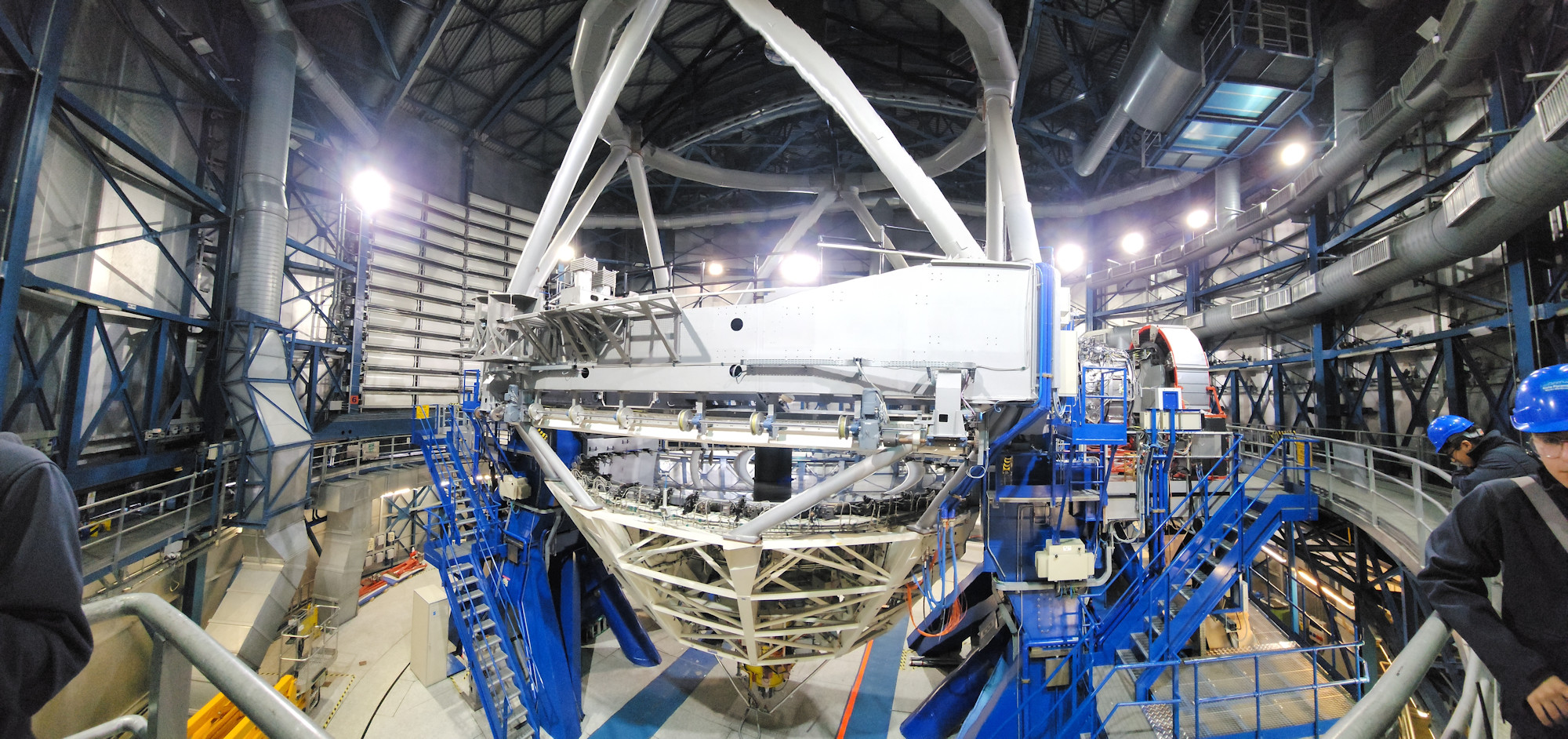
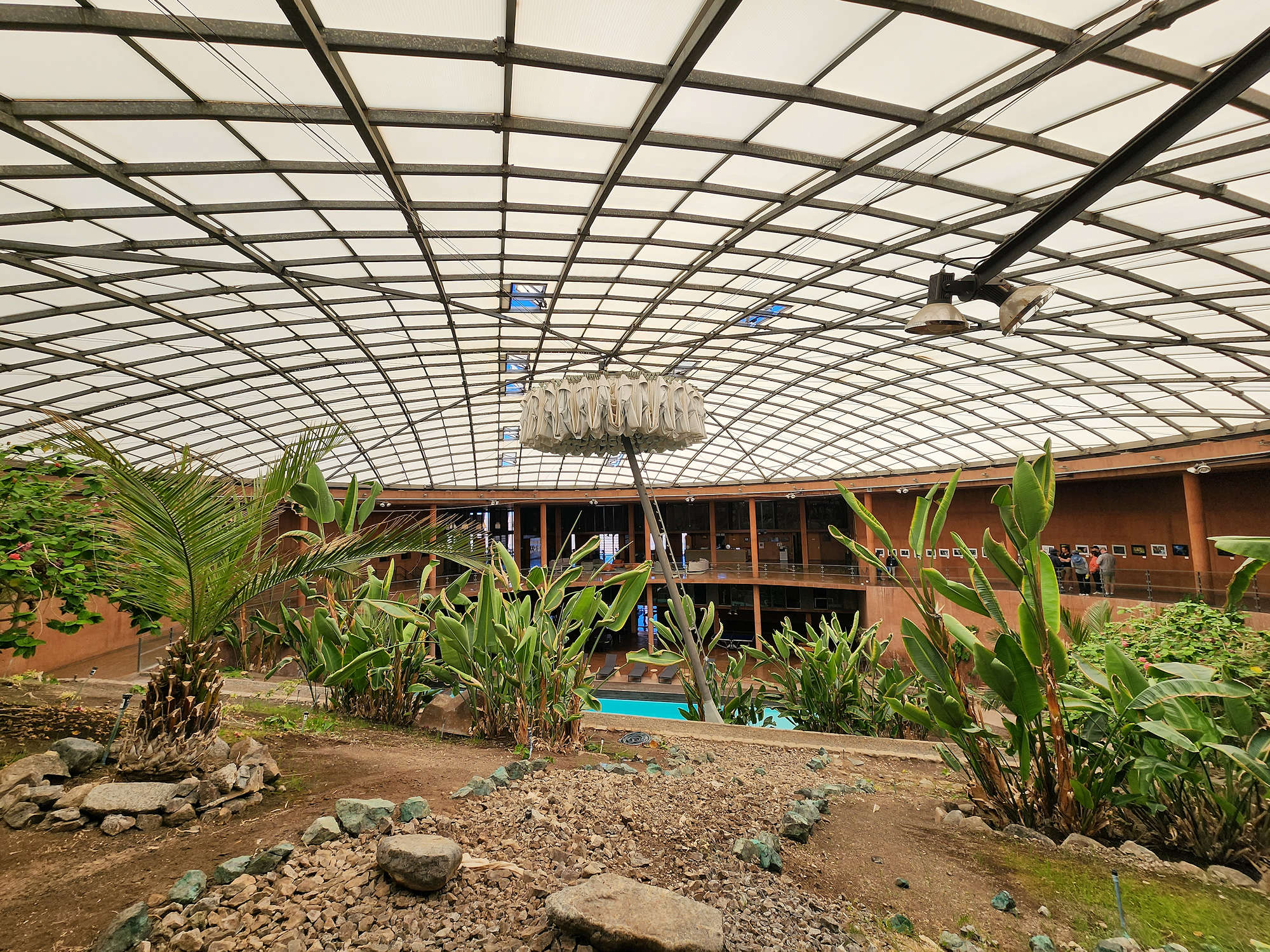
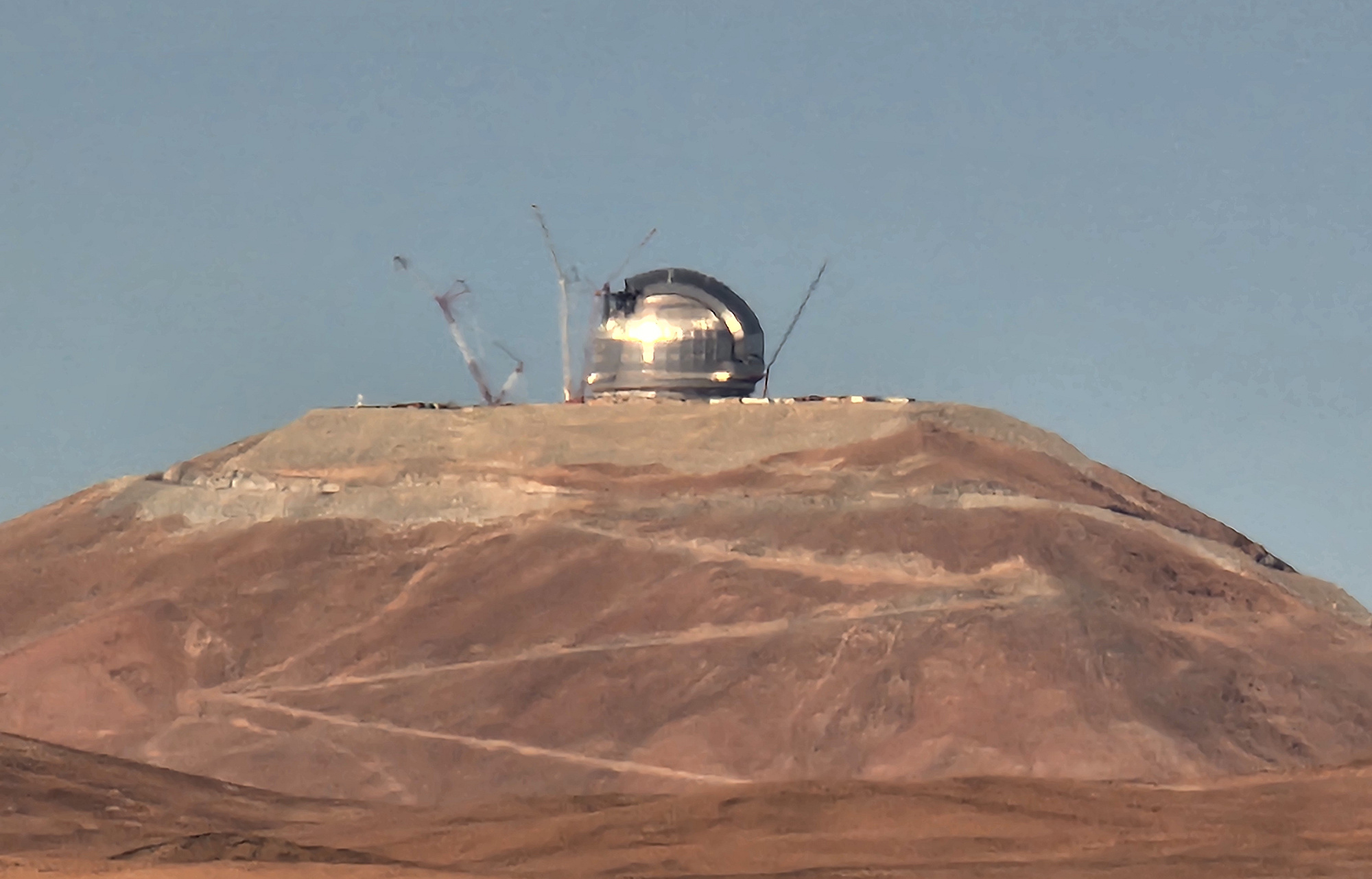
Visible from the VLT was the Extremely Large Telescope (ELT) located about 23 km away. Its dome diameter is 93m. The facility is not open for visits as it is very much a construction site with completion a few years off. The primary mirror will be 39m in diameter and composed of 798 segments, each being about 1.5m across.
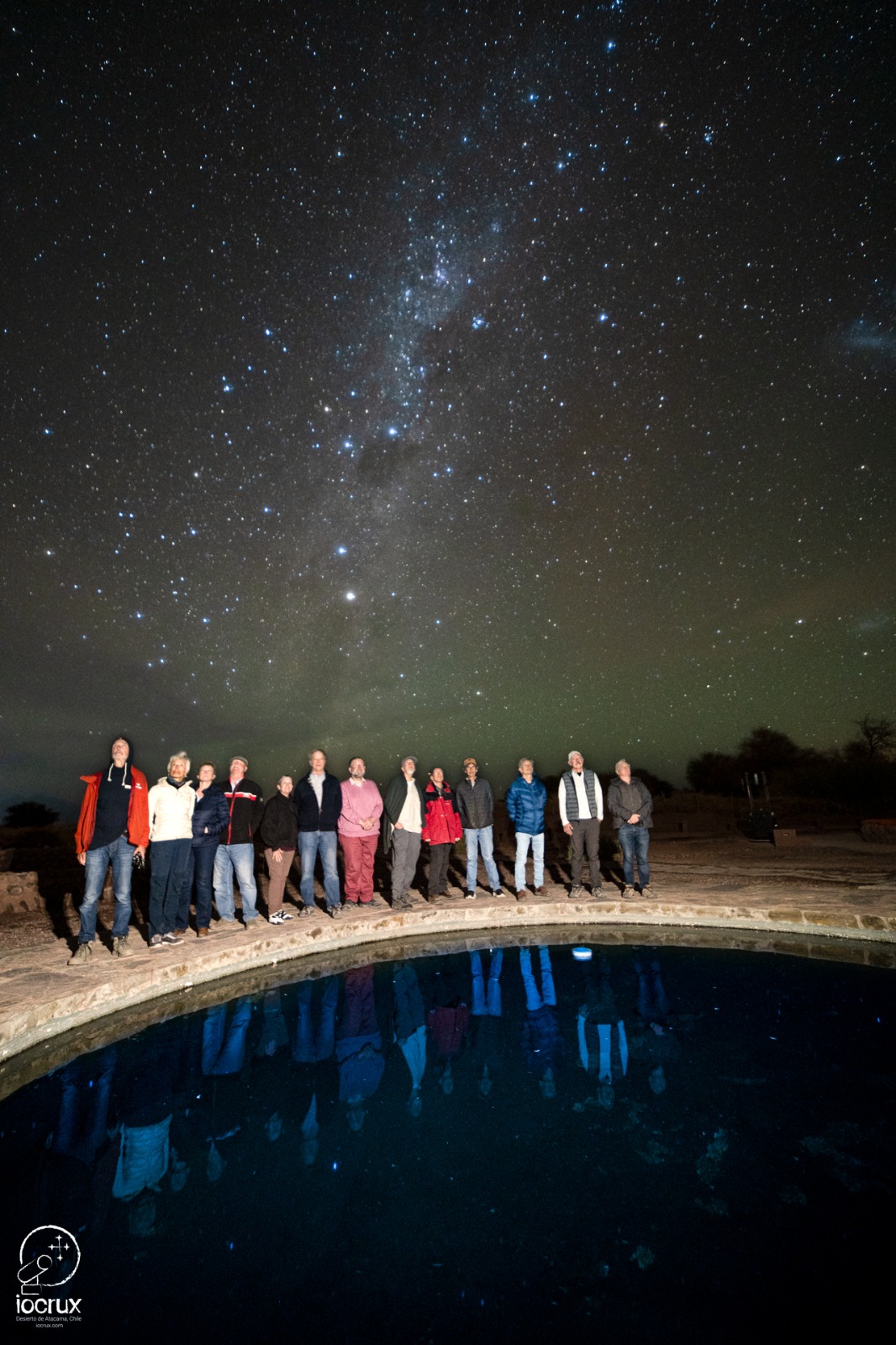
My travels also included many other amazing sights in the Atacama Desert and elsewhere, but it was hard to beat the visits to the observatories and the dark night skies. Although I did not take any instruments of my own, a couple of the sites had a range of Dobsonian telescopes with mirrors up to about 61cm. While the sky wasn’t unfamiliar with one site being not too different to Brisbane’s latitude, the dark sky conditions were a joy to behold.
Mark Rigby OAM
Retired Planetarian, Adjunct Research Fellow (Astrophysics), UniSQ
Still in love with the heavens!
 Australasian Planetarium Society