
Nagoya Japan hosts two planetariums and they offer two extremes. One is the world’s largest planetarium while the other is an LED planetarium (just one of two in Japan).
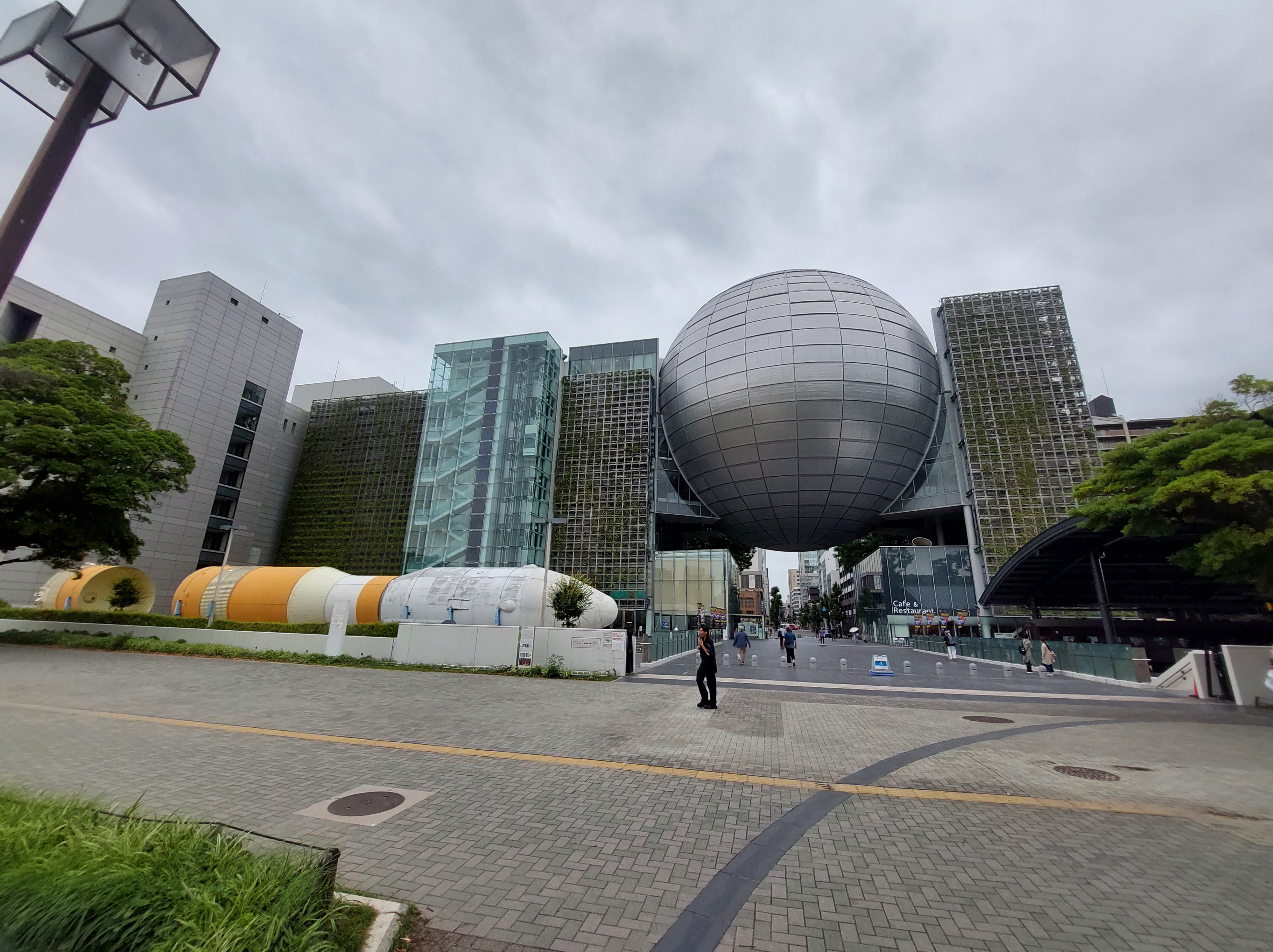
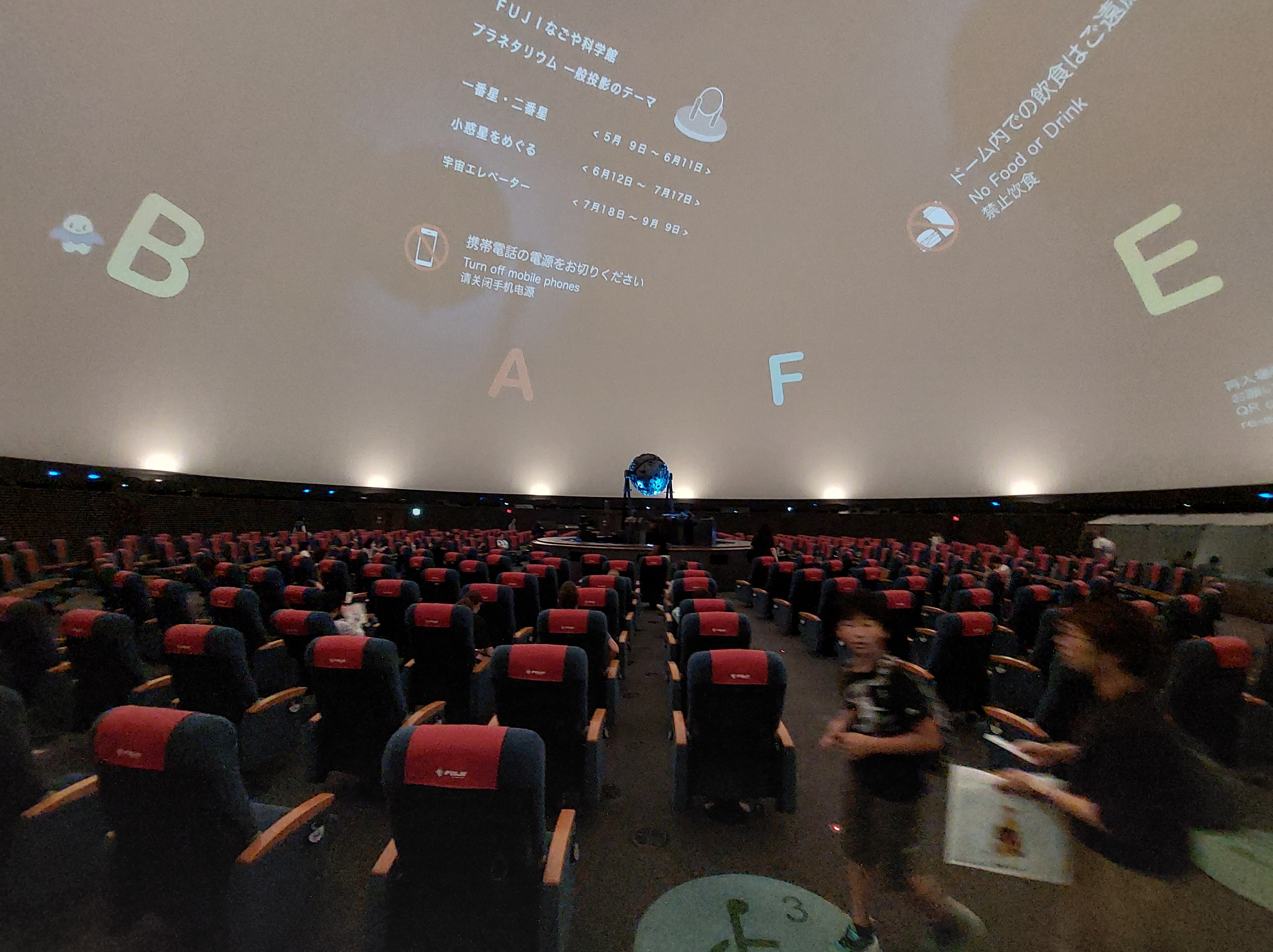
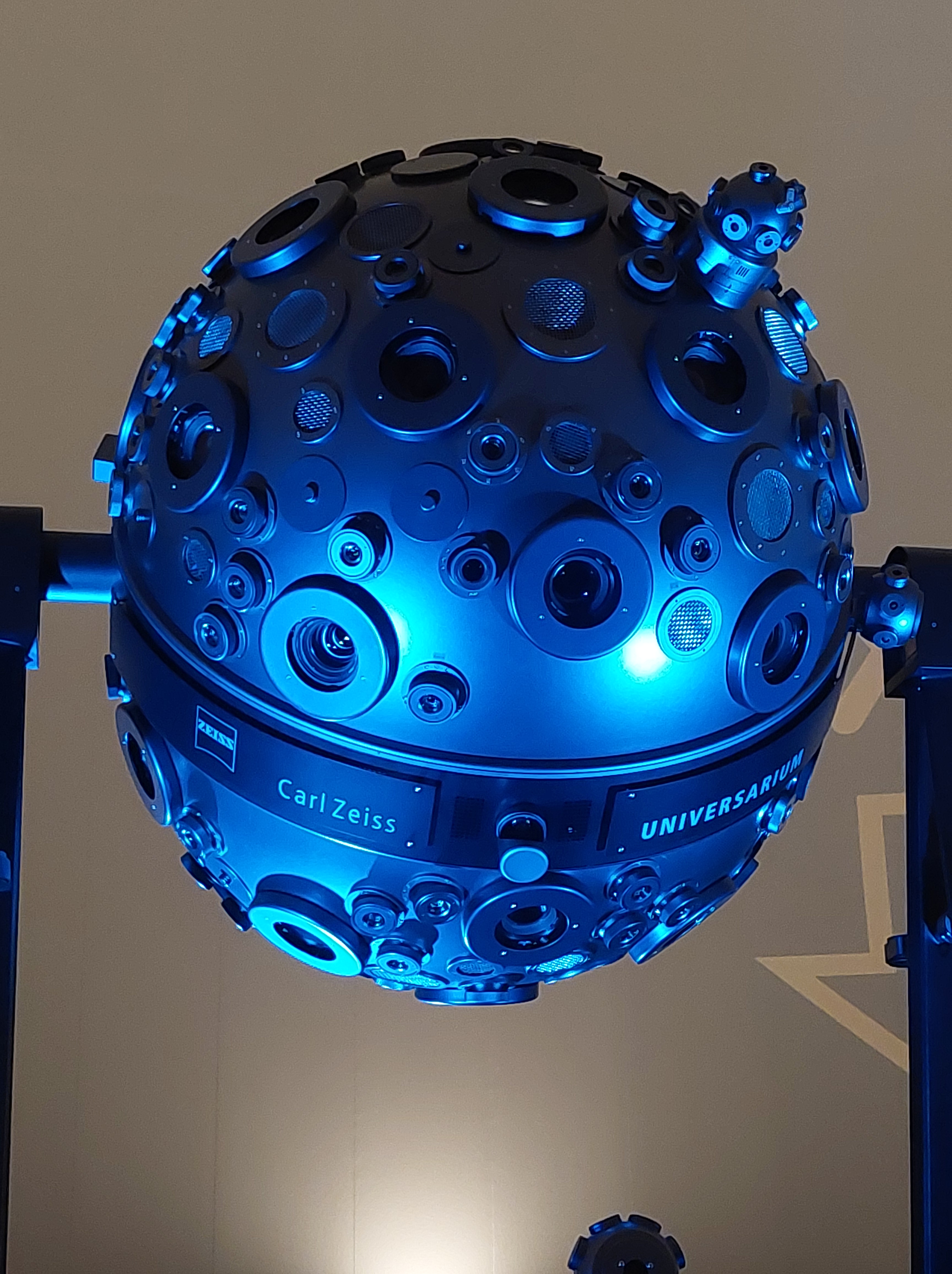
The Fuji Nagoya Science Museum is an incredible building. The museum is set over seven floors, and the planetarium is an enormous 35 metres in diameter which seats 350. The centrepiece is a Zeiss Universarium IX star projector which is supported by an 8K Koncia Minolta SkyMax DSII projection system.
The science museum is very popular with large crowds and lots of school children visiting. The are many different exhibitions over the seven floors covering a wide range of sciences. The exhibition on the floor below the planetarium (in the sphere) is called Our Universe. This exhibition covers astronomy as well as the history of planetariums with no less than three star projectors on display.
But the real highlight is the planetarium itself. It is huge, and while it seats 350 it still feels very comfortable. The seats are arranged concentrically and each of the seats can swivel left and right by about thirty degrees, enabling everyone to look around. The presentation was all in Japanese (no translation option available) and was mostly about observational astronomy which made heavy use of the star projector. The show was quite full and the astronomy presenter received a warm round of applause at the end.
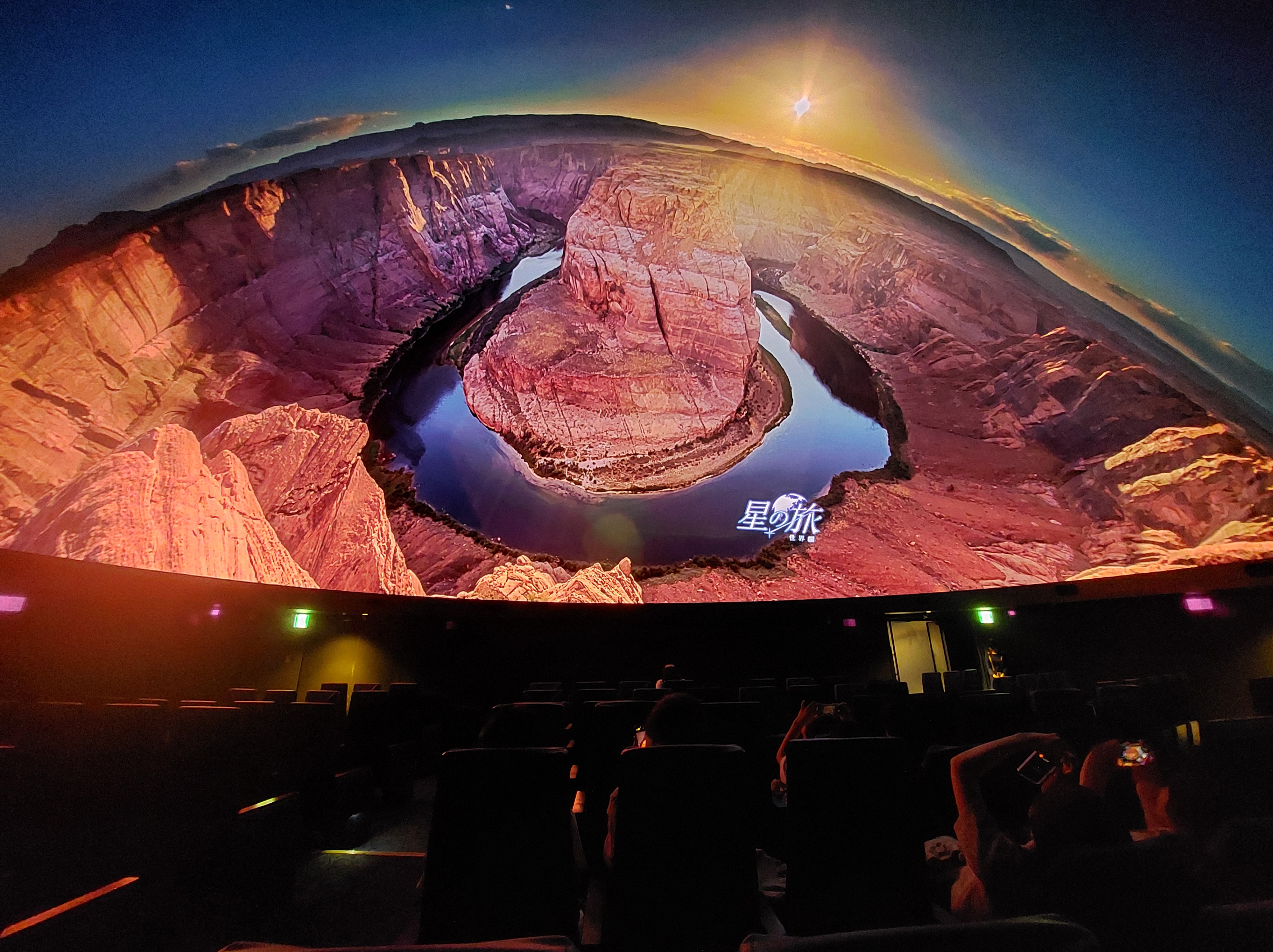
This was in stark contrast to visiting the Manten Nagoya Konica Minolta Planetarium at the Aeon Shopping Mall. The first LED dome in Japan it opened in 2021. This has a 15 metre dome and seats 165. The planetarium has a Dynavision LED system and run Konica Minolta’s Media Globe Σ SE digital interface. The resolution of the LED dome equates to 6K.
The show presented was Journey Through the Stars, created by Kagaya Studios (who made a fabulous aurora film several years ago). This was mostly live action looking at night skies viewed from all around the world. The first thing to note, is wow, the colour! What incredibly bright, beautiful saturated colours! The contrast is also fabulous, and when the dome went black it was impossible to see anything. It looked stunning. No photos are allowed during the show, however the staff put up an image at the end so that people can take some photographs.
This planetarium was built and managed by Konica Minolta as a showpiece for their technology. It is so surprising then, that it is located on the top floor of a shopping mall.
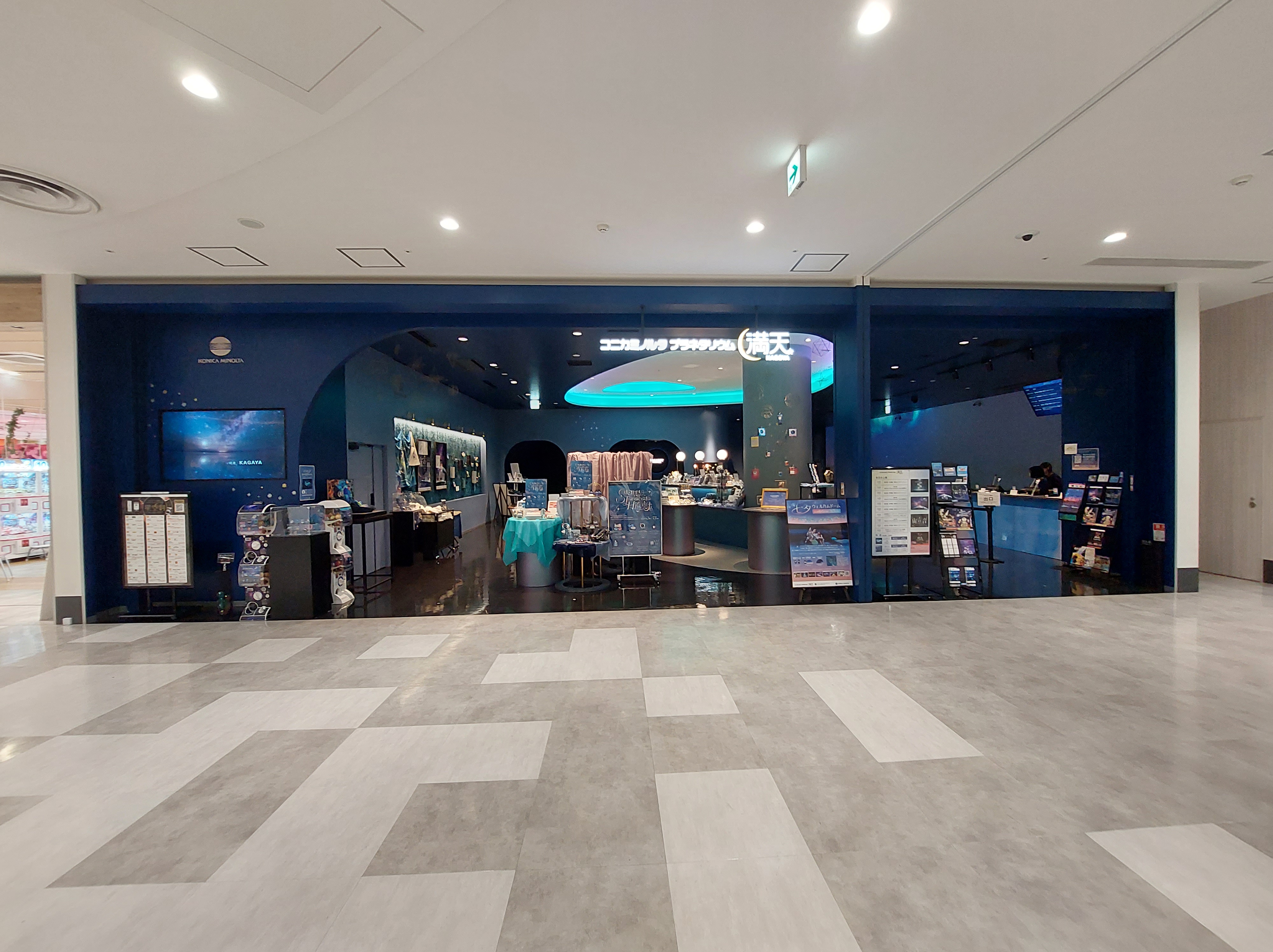
While the planetarium at the Science Museum was completely full, there were only around 20 people attending the LED dome session. It seems quite odd to build Japan’s most technologically advanced planetarium in a shopping centre. The Fuji Nagoya Science Museum is a major attraction for visitors to the city. However placing a planetarium by itself hidden away on the top flooor of a shopping centre, feels more of a distraction for people bored from shopping. It really feels like such a missed opportunity.

